This article explores the main types of leather used in trade, their characteristics, applications, and buying tips — helping traders and manufacturers make informed decisions.
1. Natural Leathers by Source
Leathers come from different animals, each with unique qualities and uses:
- Cowhide: The most common leather, used for furniture, shoes, and heavy goods — durable and long-lasting.
- Goatskin: Lightweight and flexible, used for bags, fine shoes, and small leather goods.
- Sheepskin / Lambskin: Very soft and comfortable, ideal for luxury clothing, jackets, and gloves.
- Buffalo Leather: Thicker and stronger, often used in furniture and rugged products.
- Camel Leather: Features a unique pattern and good strength, used in traditional and luxury items.
2. Leathers by Quality and Layer
A common classification based on the part of the hide and processing method:
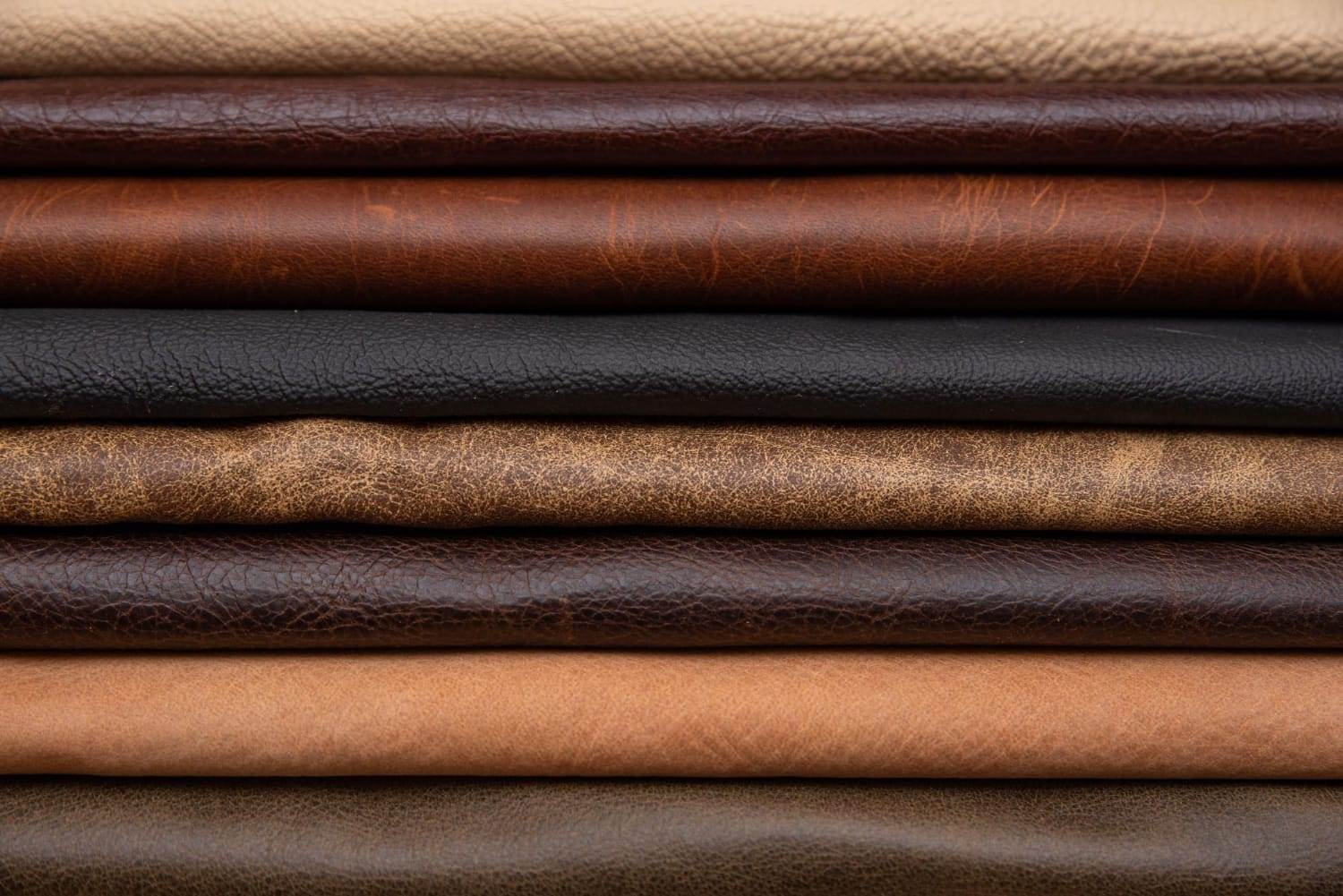
- Full-grain Leather: The highest quality; retains the natural grain and marks, durable and ages beautifully.
- Top-grain Leather: Slightly sanded to remove imperfections; still strong and suitable for premium products.
- Corrected-grain Leather: Sanded and embossed with an artificial grain pattern; more affordable and uniform in appearance.
- Split Leather: The lower layers of the hide, often used to make suede or coated to imitate top-grain leather.
3. Texture and Finish Types
- Polished / Aniline Leather: Shiny and highlights the natural surface of the hide.
- Nubuck: Sanded on the grain side, creating a soft, velvety surface similar to suede but stronger.
- Suede: Made from the underside of the hide, soft and fuzzy but less resistant to stains and water.
- Vegetable-tanned Leather: Eco-friendly and develops a natural patina over time.
4. Synthetic and Artificial Leathers
Affordable and low-maintenance alternatives widely used in various industries:
- PU (Polyurethane) Leather: Closely mimics natural leather, flexible and easy to clean, used in furniture and fashion.
- PVC Leather: Cheaper and water-resistant but less breathable.
- Bonded Leather: Made from shredded leather fibers and synthetics; inexpensive but less durable.
- Plant-based and Eco Alternatives: Made from pineapple fibers, mycelium, or recycled materials — part of the sustainability movement.
5. Exotic and Luxury Leathers
Used in luxury markets and high-end goods:
- Crocodile and Alligator Leather: Extremely valuable and elegant, used in luxury handbags, watches, and shoes.
- Snake and Turtle Leathers: Feature unique patterns; trade is often regulated for species protection.
6. Leather Processing (Brief Overview)
Tanning transforms raw hides into usable leather. The process involves cleaning, chemical or vegetable tanning, dyeing, and drying.
The tanning quality directly affects the leather’s durability, color, and resistance to environmental factors.
7. Uses of Each Leather Type
- Furniture & Decor: Cowhide, top-grain, and synthetic leathers.
- Shoes & Bags: Goat, cow, and luxury exotic leathers.
- Clothing: Soft sheepskin and goatskin for flexibility and comfort.
- Automotive & Aviation: Engineered and treated leathers for abrasion resistance and durability.
- Luxury Products: Crocodile and snake leather with distinctive finishes.
8. Quality Standards and Certifications
When trading or exporting leather, consider these international standards and tests:
- Abrasion and stretch resistance tests.
- Environmental safety certifications (for chemical waste management in tanning).
- Sustainability and ethical sourcing certifications ensuring responsible animal use.
9. Tips for Traders and Importers
- Always request physical samples before large orders to evaluate color, texture, and flexibility after wear or washing.
- Verify the leather’s origin and obtain documentation — especially important for European markets with strict sourcing rules.
- Compare natural and synthetic leathers in terms of cost, maintenance, and lifespan to find the best profit margin.
- Inspect tanning and finishing processes to ensure compliance with quality requirements (color resistance, odor-free, etc.).
Conclusion
Understanding leather types and classifications is crucial to success in the leather trade.
Different markets demand different characteristics — some prefer durability, while others value softness and a premium look.
By applying strict quality standards and choosing trusted suppliers, you can build a strong and profitable supply chain in this vital industry.
Would you like me to create an SEO-optimized version of this article with keywords and meta descriptions?