Fabrics are an essential part of daily life and various industries — from fashion and furniture to automotive and medical applications.
In this article, we explore the most common types of fabrics, their key characteristics, and how each type is used across different sectors to help you choose the most suitable material for your purpose.
1. Cotton
Cotton is one of the most widely used natural fibers. It is soft, breathable, and easy to wash. It ranges from lightweight fabrics for summer wear to heavier types for household textiles.
Uses
- Everyday clothing and underwear.
- Bedding, towels, and home textiles.
- Light industrial fabrics such as packaging and linings.
2. Silk
Silk is known for its luxurious sheen and smooth texture. It is strong yet delicate and requires careful maintenance. It is mostly used in high-end fashion and accessories.
Uses
- Evening gowns, scarves, and ties.
- Luxury home décor and upholstery.
3. Wool
Wool is famous for its warmth and flexibility, making it ideal for cold climates. It can range from coarse to very soft, such as Merino wool.
Uses
- Sweaters, coats, and winter apparel.
- Blankets, carpets, and insulating fabrics.
4. Linen
Linen is a natural, durable fabric with great breathability and a distinctive textured look. It’s perfect for hot weather and summer interior design.
Uses
- Summer shirts, dresses, and light home fabrics.
- Curtains and upholstery.
5. Polyester
Polyester is one of the most common synthetic fibers. It’s durable, wrinkle-resistant, and easy to care for. Often blended with natural fibers to enhance strength and reduce cost.
Uses
- Ready-made garments, sportswear, and outerwear.
- Home décor, curtains, and car seat fabrics.
6. Nylon
Nylon is extremely strong and lightweight. It resists tears and is used where flexibility and durability are essential.
Uses
- Sportswear, technical socks, and waterproof fabrics.
- Seat belts, industrial threads, and parachutes.
7. Rayon / Viscose
Rayon is a semi-synthetic fiber made from natural cellulose. It’s soft, absorbent, and has a silk-like appearance. It requires delicate care.
Uses
- Elegant women’s clothing and garment linings.
- Home textiles and draperies.
8. Recycled Fibers
These include fibers made from recycled plastics or old clothing. They offer an eco-friendly alternative that reduces waste and energy consumption.
Uses
- Sportswear, eco-friendly décor fabrics, and accessories.
- Packaging and low-cost insulation materials.
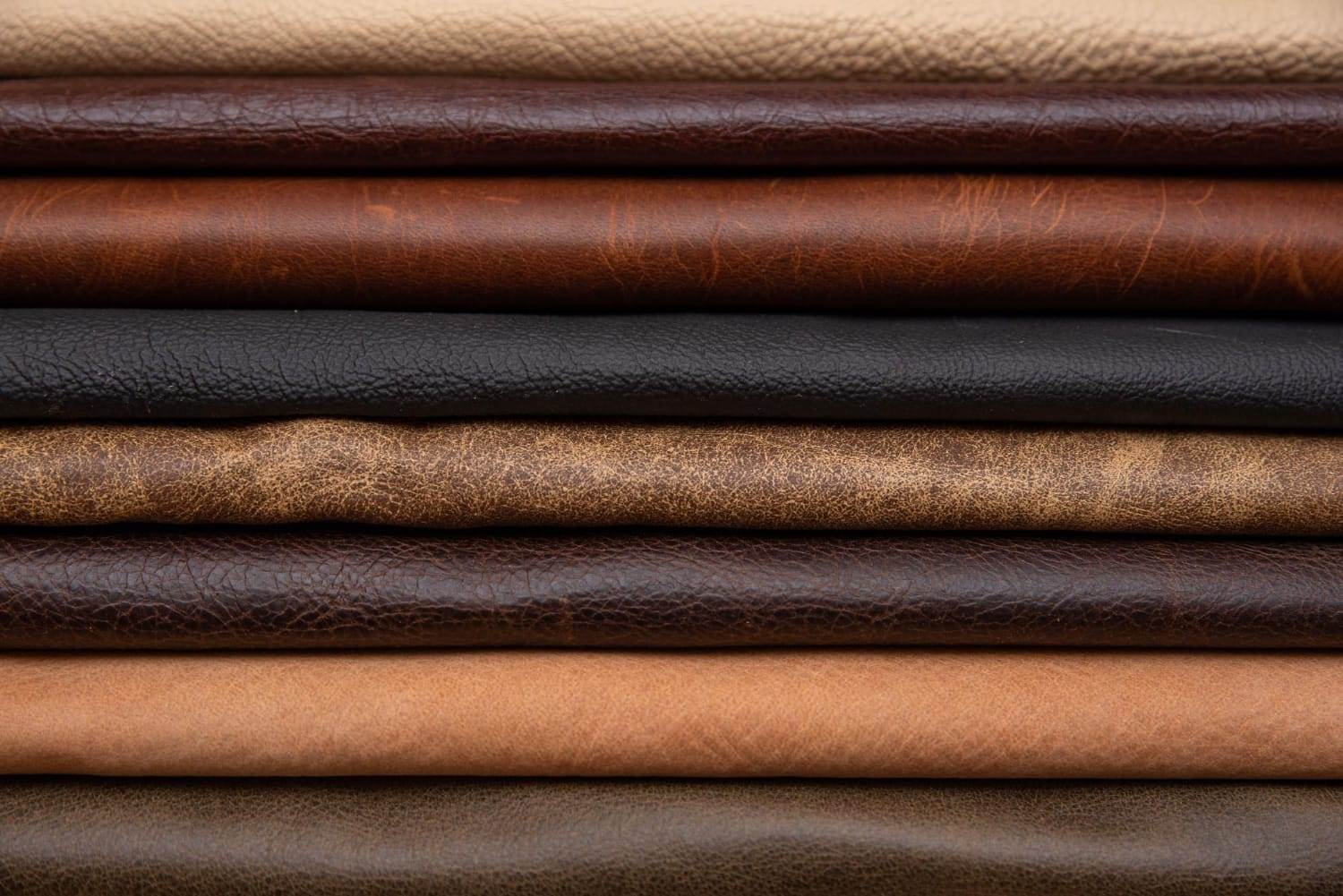
9. Leather and Synthetic Leather
Natural leather is durable and elegant, while synthetic leather offers a similar appearance at lower cost and easier maintenance.
Uses
- Shoes, bags, and furniture upholstery.
- Automotive interiors and decorative applications.
10. Technical and Functional Fabrics
These fabrics are engineered for specific performance features — water resistance, antibacterial properties, heat control, or integrated sensors.
Uses
- Sportswear and protective outerwear (windproof and waterproof fabrics).
- Medical textiles (antibacterial, breathable fabrics) and smart garments.
- Industrial applications such as filters, protective covers, and aerospace textiles.
Industrial Applications
- Fashion Industry: Uses cotton, silk, polyester, and rayon to balance design trends and production costs.
- Home and Interior Design: Fabrics like linen, polyester, and cotton blends for curtains, upholstery, and carpets.
- Automotive Sector: Polyester, nylon, and synthetic leather for seats, linings, and insulation fabrics.
- Medical Industry: Sterile and antibacterial fabrics for surgical wear, bandages, and protective clothing.
- Sports and Outdoor: Technical fabrics that manage moisture, prevent odor, and provide weather protection.
- Heavy Industries: Fire-resistant and oil-repellent fabrics used for filters, belts, and industrial covers.
Tips for Choosing the Right Fabric
- Define the end use: comfort, durability, appearance, or technical function.
- Check certifications and quality (like OEKO-TEX or sustainability labels).
- Consider total cost: fabric price, maintenance, and product lifespan.
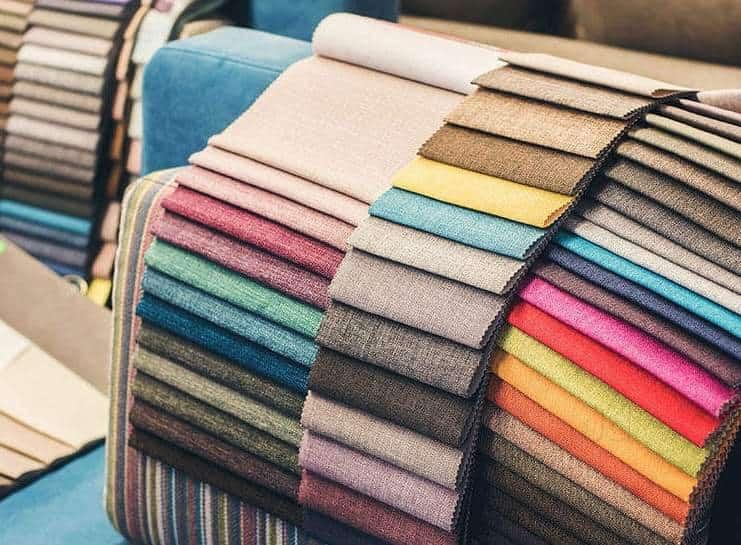
- Always test samples before bulk purchasing to verify texture, color, and wash behavior.
Conclusion
Fabrics vary greatly in their properties and applications, and understanding these differences is essential for anyone in the textile trade or manufacturing field.
From classic cotton to advanced technical fabrics, each type offers unique opportunities and challenges — choosing the right one ensures both product quality and customer satisfaction.